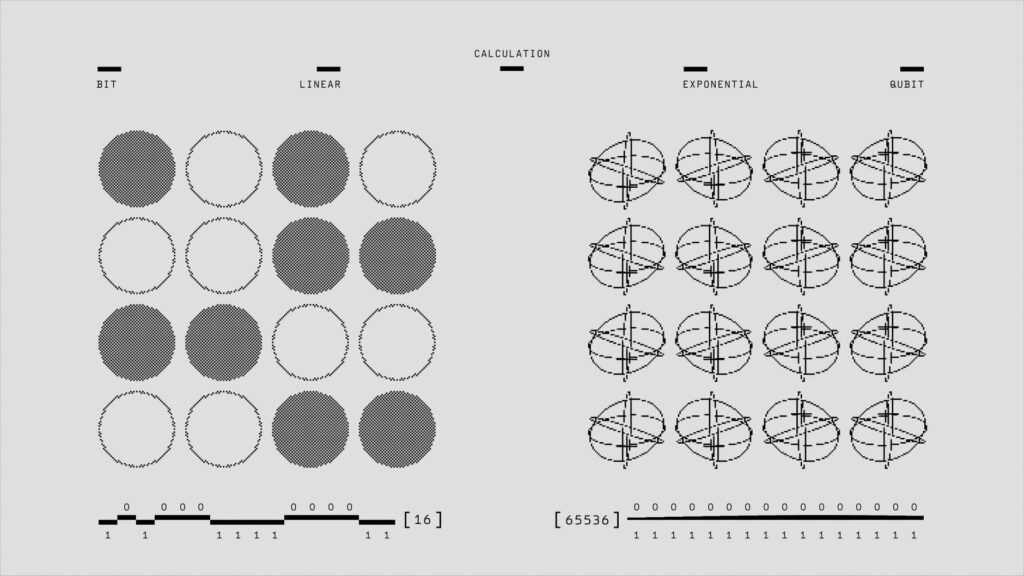
OpenAI mathematical results have been released, providing a wealth of knowledge for those interested in the advancements of AI technology.
Introduction to OpenAI’s Release
OpenAI has made a significant contribution to the field of artificial intelligence by releasing an impressive collection of 722 manuscripts that showcase a variety of mathematical results. This initiative aims to enhance the understanding of AI enthusiasts and researchers alike, providing a wealth of knowledge that can be utilized for further advancements in the domain.
The release not only emphasizes OpenAI’s commitment to transparency but also underlines the importance of mathematics in developing robust AI systems. These manuscripts cover a broad spectrum of topics, including:
- Algorithmic efficiency and optimization techniques
- Statistical methods relevant to machine learning
- Game theory applications in AI
- Mathematical frameworks for understanding neural networks
By providing access to these mathematical results, OpenAI is empowering the community to explore new methodologies and refine existing ones. This initiative serves as a valuable resource for those looking to deepen their knowledge and apply these insights to practical AI challenges.
Significance of Mathematical Results
The recent release of 722 manuscripts by OpenAI showcasing their mathematical results marks a pivotal moment for AI enthusiasts and researchers alike. The significance of these findings transcends mere academic interest, as they provide a foundation for understanding the underlying principles that govern artificial intelligence systems.
These mathematical insights are crucial for several reasons:
- Enhanced Understanding: The results illuminate complex algorithms, enabling researchers to comprehend how AI models learn and make decisions.
- Innovation Catalyst: By sharing these findings, OpenAI encourages innovation within the community, allowing others to build upon established mathematical frameworks.
- Benchmarking Progress: The manuscripts provide benchmarks against which future AI developments can be measured, fostering a culture of transparency and accountability in AI research.
- Interdisciplinary Applications: The mathematical results have potential applications beyond AI, influencing fields such as statistics, economics, and even neuroscience.
Overall, the release of these manuscripts not only highlights OpenAI’s commitment to advancing knowledge but also reinforces the importance of mathematical results in driving the future of artificial intelligence.
How These Results Impact AI Development
The recent release of 722 manuscripts by OpenAI, featuring groundbreaking mathematical results, is set to have a profound impact on the development of artificial intelligence. These insights not only deepen our understanding of existing algorithms but also pave the way for future innovations in AI.
One of the most significant implications of these mathematical results is their ability to enhance the robustness and efficiency of AI models. By providing a clearer framework for how algorithms operate, researchers can build more reliable systems that are less prone to errors and biases. Furthermore, these results encourage a collaborative approach to problem-solving within the AI community, fostering an environment where knowledge sharing is paramount.
Additionally, the dissemination of these findings can stimulate educational initiatives, enabling aspiring AI enthusiasts to grasp complex concepts more easily. As a result, we may see a new generation of developers equipped with the tools they need to push the boundaries of AI technology.
In conclusion, the OpenAI mathematical results serve as a catalyst for progress, ensuring that as AI continues to evolve, it will do so on a solid foundation of proven insights and research.
Key Findings from the Manuscripts
OpenAI’s recent release of 722 manuscripts has shed light on several key findings that are instrumental for AI enthusiasts. These OpenAI mathematical results delve into foundational concepts that drive advancements in artificial intelligence.
Among the prominent discoveries documented, the following stand out:
- Scalability of Models: The research emphasizes the significance of scaling models effectively, demonstrating that larger architectures can lead to improved performance when trained on diverse datasets.
- Optimization Techniques: Novel optimization algorithms have been proposed, aiming to enhance the efficiency and convergence speed of training processes, thus reducing computational costs.
- Interpretable AI: The findings stress the importance of interpretability in AI systems, providing methods to better understand model decisions and foster trust among users.
- Robustness Against Adversarial Attacks: Several strategies have been developed to bolster AI systems against adversarial attacks, ensuring greater reliability in real-world applications.
These insights not only advance theoretical understanding but also have practical implications for future AI research and development, positioning OpenAI at the forefront of the field.
Applications of OpenAI’s Research
The recent release of 722 manuscripts showcasing OpenAI’s mathematical results has paved the way for numerous applications across various fields. These insights are not only beneficial for researchers but also for developers and practitioners looking to implement AI solutions effectively.
Some key applications include:
- Algorithm Optimization: The mathematical frameworks provided can help in refining existing algorithms, making them more efficient and effective.
- Model Training: Insights from the research can guide the training processes of AI models, enhancing their accuracy and reliability.
- Data Analysis: OpenAI’s results offer new techniques for analyzing large datasets, which can lead to better decision-making in business and science.
- Interdisciplinary Research: The findings encourage collaboration between fields such as mathematics, computer science, and social sciences, fostering innovative approaches to problem-solving.
Furthermore, the implications of OpenAI’s mathematical results extend to educational initiatives, providing valuable resources for teaching and learning about advanced AI concepts. As more enthusiasts engage with these findings, the potential for groundbreaking applications continues to grow.
Expert Opinions on the Release
Experts in the field have been weighing in on the recent release of OpenAI’s mathematical results, highlighting their potential implications for the future of artificial intelligence. Many researchers believe that these findings could pave the way for more robust AI models, enabling advancements in various applications.
Dr. Emily Chen, a leading AI researcher, emphasized the importance of these results: “OpenAI’s mathematical results provide a foundation for understanding complex algorithms that drive AI today. They bridge theoretical knowledge with practical applications.”
A panel discussion hosted by the International AI Society featured prominent voices in the field. Participants noted that the release of 722 manuscripts allows for greater collaboration and transparency in AI research. As Dr. Mark Rivera pointed out, “By sharing these mathematical insights, OpenAI is fostering an environment where researchers can build upon each other’s work, leading to faster innovation.”
Industry leaders are also taking note. Elena Torres, CEO of a tech startup, stated, “The implications of OpenAI’s mathematical results on our projects are significant. We are excited to leverage these findings to enhance our algorithms.”
Future Directions for AI Research
As the field of artificial intelligence continues to evolve, the future directions for AI research become increasingly important. OpenAI’s recent release of 722 manuscripts featuring groundbreaking mathematical results provides a robust foundation for exploring new avenues in AI development. Researchers and enthusiasts alike are now encouraged to delve deeper into these findings, which not only advance theoretical understanding but also pave the way for practical applications.
Moving forward, there are several key areas where these mathematical results can significantly influence future research:
- Algorithm Optimization: Enhancing existing algorithms by integrating novel techniques from the manuscripts.
- Interdisciplinary Approaches: Collaborating with fields such as neuroscience and cognitive science to develop more sophisticated AI models.
- Ethical Considerations: Examining the implications of mathematical results on AI ethics and responsibility in technology.
- Scalability Challenges: Addressing the scalability of AI systems through the insights gained from OpenAI’s research.
Ultimately, the OpenAI mathematical results serve not just as a catalyst for innovation but also as a blueprint for responsible and impactful research in the AI landscape.
Conclusion and Next Steps
In conclusion, OpenAI’s mathematical results signify a pivotal moment for both researchers and AI enthusiasts. The comprehensive release of 722 manuscripts provides a wealth of knowledge that can significantly influence future AI development. With a deeper understanding of the underlying principles, developers can create more efficient algorithms and models, pushing the boundaries of what artificial intelligence can achieve.
As we move forward, the implications of these findings will continue to unfold. Engaging with the community around these results will foster collaboration and innovation. Researchers and practitioners are encouraged to explore the manuscripts thoroughly, as they offer valuable insights into enhancing AI technology.
Next steps for the AI community include:
- Conducting further research inspired by the findings.
- Applying the results to real-world problems.
- Sharing insights and critiques within academic and industry circles.
By leveraging OpenAI’s mathematical results, we can expect significant advancements in AI capabilities and applications. The journey ahead promises to be exciting, as the community collectively navigates the challenges and opportunities presented by this groundbreaking research.
Understanding the OpenAI mathematical results can significantly enhance the capabilities of AI models. By exploring these insights, enthusiasts can apply proven strategies to improve their own projects.
Photo by Google DeepMind on Pexels
