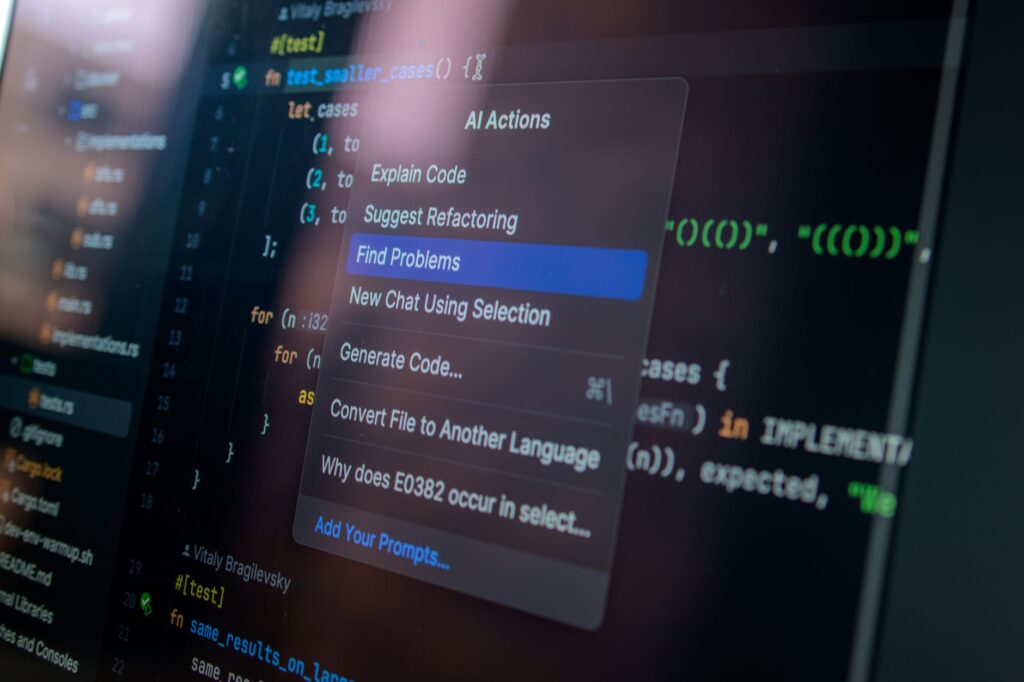
AI models for coding are making waves in the tech industry. Microsoft has launched seven new AI models aimed at enhancing coding capabilities, positioning itself against competitors like OpenAI and Anthropic.
Introduction to Microsoft’s AI Models
Microsoft has recently unveiled a suite of AI models for coding, designed to enhance the software development process and tackle challenges posed by competitors like OpenAI and Anthropic. These models leverage advanced machine learning techniques to assist developers in various coding tasks, including code generation, debugging, and optimization.
With the rapid evolution of technology, the demand for more efficient coding solutions has never been greater. Microsoft’s new AI models aim to bridge the gap between human creativity and machine intelligence, offering tools that can significantly boost productivity and streamline workflows.
The newly launched models are tailored to cater to different aspects of coding, ensuring that developers can find the right tools for their specific needs. Some key features include:
- Intelligent Code Suggestions: Providing context-aware code snippets that help developers write code faster.
- Automated Debugging: Identifying and fixing errors in real-time, which reduces the time spent on troubleshooting.
- Code Optimization: Suggesting improvements to enhance performance and maintainability.
As the landscape of software development continues to evolve, Microsoft’s commitment to integrating AI models for coding represents a significant step forward, empowering developers to harness the full potential of artificial intelligence in their projects.
What Are AI Models for Coding?
AI models for coding are advanced algorithms designed to assist developers in writing, debugging, and optimizing code. These models leverage machine learning techniques to analyze vast amounts of programming data, enabling them to understand coding patterns and best practices.
One of the primary purposes of these AI models is to enhance productivity and efficiency among developers. By providing real-time suggestions and automating repetitive tasks, these tools can significantly reduce the time spent on coding projects. This allows programmers to focus on more complex and creative aspects of software development.
Microsoft’s recent launch of seven AI models specifically tailored for coding demonstrates a commitment to innovation in this field. These models are built to integrate seamlessly with existing development environments, making them accessible and user-friendly. They can assist in various programming languages, catering to a diverse range of developers.
- Code Completion: AI models can predict and suggest code as developers type, streamlining the coding process.
- Error Detection: These tools can identify bugs and suggest fixes, enhancing code quality.
- Learning Aid: AI models can serve as educational resources for beginners, providing explanations and examples.
Overall, AI models for coding represent a significant advancement in technology, offering valuable support to developers at all skill levels.
Comparison with OpenAI and Anthropic
As the competition in the AI space intensifies, Microsoft’s recent launch of AI models for coding has placed it at the forefront alongside established players like OpenAI and Anthropic. Each organization brings unique strengths to the table, which are essential to consider when evaluating their offerings.
OpenAI’s Codex is one of the most well-known AI models for coding, providing robust code generation capabilities and seamless integration with various development environments. It has gained popularity due to its comprehensive training and versatility across programming languages.
On the other hand, Anthropic’s Claude emphasizes safety and ethical considerations in AI. Its models aim to minimize risks associated with code generation, ensuring that developers can work with a higher degree of confidence. Claude’s focus on responsible AI makes it a compelling choice for organizations prioritizing ethical guidelines.
Microsoft’s new AI models aim to bridge the gap by offering intuitive coding assistance while integrating deeply with its existing software ecosystem. This strategic move positions Microsoft as a strong contender in the market, effectively challenging both OpenAI and Anthropic. With enhanced functionalities, Microsoft’s models promise to streamline workflows and improve productivity for developers.
Key Features of Microsoft’s AI Models
Microsoft has recently introduced a suite of AI models for coding, designed to enhance the developer experience and streamline the software development process. These models are equipped with several key features that set them apart from competitors.
- Code Generation: One of the standout features is the ability to generate code snippets based on natural language prompts. This allows developers to write code more efficiently, reducing the time spent on routine tasks.
- Real-time Collaboration: Microsoft’s AI models facilitate real-time collaboration among team members, enabling multiple developers to work on the same codebase simultaneously while receiving on-the-fly suggestions.
- Error Detection: The models can identify syntax errors and logical flaws in code, providing immediate feedback and suggestions for corrections, which helps improve code quality.
- Integration with Development Environments: Seamless integration with popular IDEs (Integrated Development Environments) allows developers to leverage AI capabilities without disrupting their workflow.
- Learning Resources: The models offer context-aware documentation and learning resources, empowering developers to enhance their skills while coding.
These features exemplify the potential of AI models for coding, transforming how developers approach programming tasks and making software development more accessible.
Impact on Software Development
The introduction of AI models for coding by Microsoft is revolutionizing the software development landscape. These advanced tools are designed to enhance productivity and streamline the coding process for developers of all skill levels. By incorporating machine learning algorithms, these AI models can assist in writing, reviewing, and debugging code more efficiently than ever before.
One of the most significant impacts on software development is the reduction in the time required to complete projects. With AI models for coding, developers can focus on higher-level problem-solving while the models handle repetitive tasks. This shift not only accelerates the development cycle but also improves code quality, as AI can identify potential errors and suggest best practices.
Moreover, these tools promote collaboration among teams. By providing real-time feedback and suggestions, developers can work together more effectively, regardless of their geographical locations. This fosters a culture of continuous improvement and innovation within organizations.
- Enhanced Productivity: Automating mundane coding tasks.
- Improved Code Quality: Identifying errors before they become issues.
- Collaboration: Facilitating teamwork through shared insights.
Ultimately, Microsoft’s AI models for coding are not just tools; they are transforming how software is developed in the 21st century.
User Reactions and Feedback
User reactions to Microsoft’s new AI models for coding have been overwhelmingly positive, with many developers praising their ability to enhance productivity and streamline workflows. Feedback from early adopters highlights several key advantages that these tools bring to the table.
- Increased Efficiency: Many users report that the AI models significantly reduce the time spent on repetitive coding tasks, allowing them to focus on more complex problems.
- Improved Code Quality: Developers appreciate the models’ ability to suggest optimizations and identify potential bugs before they become issues, leading to cleaner code.
- User-Friendly Interface: The intuitive design of the tools has made it easier for both novice and experienced programmers to adopt AI models for coding without extensive training.
- Customization: Users have noted that the models can be tailored to fit specific project requirements, making them versatile for various programming languages and frameworks.
Despite some initial skepticism regarding reliance on AI for coding, the overall response suggests a growing acceptance and eagerness to integrate these advanced tools into daily development practices. As Microsoft continues to refine its offerings, the anticipation surrounding future updates remains high.
Future of AI in Coding
The future of AI in coding is poised for unprecedented transformation, especially with the emergence of advanced AI models for coding developed by Microsoft. As these models continue to evolve, they are expected to enhance productivity and streamline the software development process significantly. With their ability to understand context and generate code snippets efficiently, developers can anticipate a shift in how coding tasks are approached.
Experts predict that AI models for coding will integrate more seamlessly into existing development environments, allowing for real-time collaboration between humans and machines. This symbiosis is likely to lead to reduced development cycles and improved code quality. Moreover, as these models learn from vast datasets and user interactions, they will become increasingly adept at handling complex coding challenges.
In addition to improving coding efficiency, these AI tools are expected to democratize programming by making it more accessible to those without extensive coding backgrounds. As more individuals engage with coding through user-friendly AI interfaces, the demand for traditional coding skills may evolve, prompting educational systems to adapt accordingly.
Overall, the future of AI in coding looks promising, paving the way for innovative solutions that will reshape the landscape of software development.
Photo by Daniil Komov on Pexels
