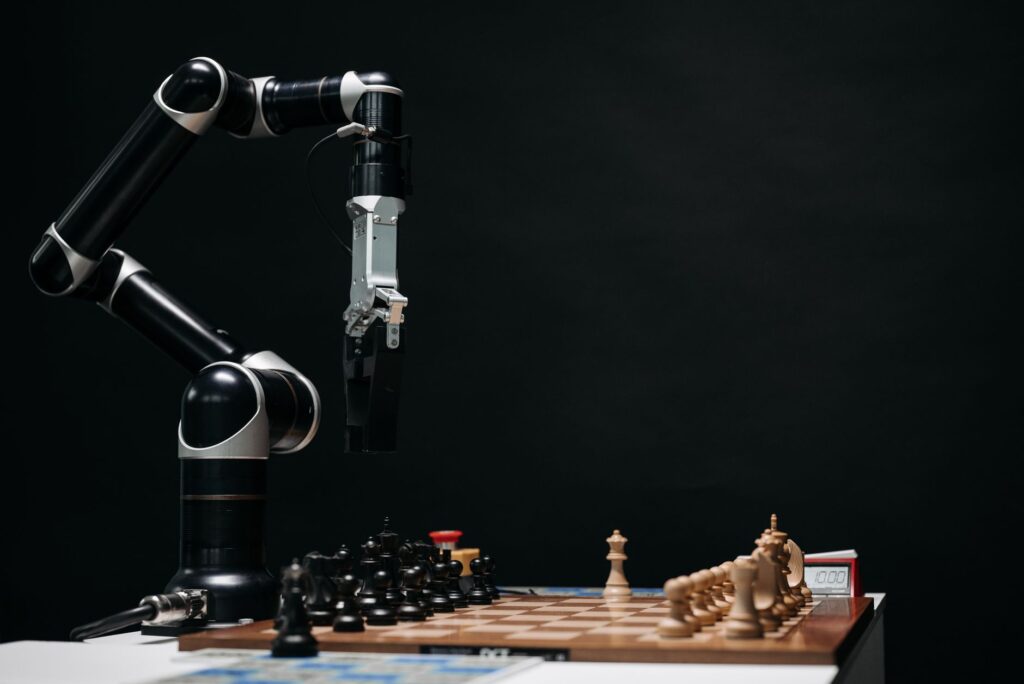
The Tabletop AI experiment is an innovative approach to building custom collaboration apps. This Google initiative offers users a unique platform to enhance teamwork and productivity.
What is the Tabletop AI Experiment?
The Tabletop AI experiment is an innovative platform developed by Google that enables users to create custom collaboration applications with ease. This experimental tool leverages artificial intelligence to streamline the app-building process, making it accessible to both experienced developers and those new to programming.
Through the Tabletop AI experiment, users can design applications tailored to their specific needs without the usual complexities associated with traditional coding. The platform utilizes a user-friendly interface where individuals can simply define their requirements and let the AI generate the necessary code and functionality.
Key features of the Tabletop AI experiment include:
- Intuitive Design: A drag-and-drop interface that simplifies the app creation process.
- Customizability: Options to modify generated applications to better suit user preferences.
- Collaboration Tools: Built-in features that enhance teamwork and communication among users.
- Rapid Prototyping: The ability to quickly test and iterate on app designs.
This groundbreaking initiative aims to democratize app development, making it more accessible and efficient for a wider audience.
How to Use Tabletop AI for Custom Apps
The Tabletop AI experiment offers a unique approach to creating custom applications tailored to specific collaboration needs. To effectively utilize this innovative tool, users should follow a few simple steps.
- Define Your Objectives: Start by identifying the primary functions and goals of the app. This clarity will guide the development process.
- Engage with Templates: Leverage the pre-existing templates provided by the Tabletop AI experiment. These templates can serve as a foundation, making it easier to customize features.
- Incorporate AI Features: Utilize the AI capabilities to enhance user experience and functionality. Consider integrating features like automated responses or data analysis tools.
- Iterate and Test: Once a prototype is developed, conduct tests to gather feedback. Iteration is key to refining the app and ensuring it meets user expectations.
- Launch and Monitor: After final adjustments, launch the app. Continuously monitor its performance and gather user feedback for future improvements.
By following these steps, users can maximize the potential of the Tabletop AI experiment, creating effective and customized collaboration applications.
Benefits of the Tabletop AI Experiment
The Tabletop AI experiment offers numerous advantages for developers and businesses looking to create custom applications. By leveraging artificial intelligence, users can streamline the app development process, significantly reducing the time and effort required to bring ideas to fruition.
One of the primary benefits of the Tabletop AI experiment is its user-friendly interface, which allows individuals with varying levels of technical expertise to participate. This democratization of app development means that even those with minimal coding skills can contribute to the creation of sophisticated applications.
Additionally, the experiment fosters collaboration among users, enabling teams to work together seamlessly. This collaborative approach enhances creativity and innovation, as diverse perspectives often lead to unique solutions. The AI’s ability to analyze user feedback in real-time also ensures that applications can be continually improved and refined based on actual user experiences.
Furthermore, the scalability of solutions developed through the Tabletop AI experiment means that businesses can adapt their applications as their needs evolve. Overall, this initiative represents a transformative step forward in the realm of custom app development.
Future of Collaboration with AI
The Tabletop AI experiment heralds a new era in collaborative technology, allowing teams to work more efficiently and creatively. As organizations increasingly seek innovative solutions, the integration of AI into collaboration tools offers remarkable potential for enhanced productivity.
One of the most significant advantages of this experiment is its ability to adapt to the specific needs of users. By leveraging AI capabilities, teams can create custom applications that streamline workflows and improve communication. This adaptability ensures that collaboration remains fluid and tailored to the unique dynamics of each group.
Moreover, the future of collaboration with AI looks promising as these tools evolve. As more users engage with the Tabletop AI experiment, feedback will drive further improvements, leading to more intuitive interfaces and smarter functionalities. Here are some key aspects to consider:
- Increased Efficiency: Automating routine tasks frees up time for creative problem-solving.
- Enhanced Collaboration: Real-time updates allow teams to stay aligned and informed.
- Custom Solutions: Tailored applications can address unique challenges faced by diverse teams.
As we embrace these changes, the potential for transformative collaboration through AI is boundless.
Photo by Pavel Danilyuk on Pexels
References
You might also like
AI models release: The Best Proven Innovations of 2023 · Zelda Ocarina of Time Review: The Best Game Ever? · HoverAir Versa Review: The Clear Convenience and Creativity
