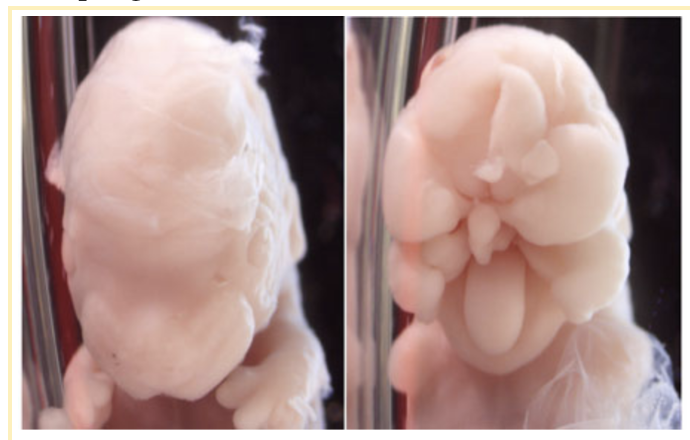
Gene editing embryos is a crucial area of research, aiming to prove its safety for creating healthy babies. This startup is at the forefront of this groundbreaking science.
What is Gene Editing?
Gene editing refers to the process of altering the DNA of an organism to achieve desired traits or eliminate undesirable ones. This technology has gained significant attention in recent years, particularly in the context of gene editing embryos. By targeting specific genes, scientists can potentially prevent genetic disorders, enhance health, and improve the overall quality of life for future generations.
One of the most widely discussed techniques in gene editing is CRISPR-Cas9, which allows for precise modifications to an organism’s genomic sequence. The method involves using a guide RNA to target a specific DNA sequence and the Cas9 enzyme to cut the DNA at the desired location. Once the DNA is cut, the cell’s natural repair mechanisms can be harnessed to introduce or remove genetic material.
Despite its promise, the practice of editing human embryos raises ethical and safety concerns. Researchers are focused on ensuring that these techniques are safe and effective before widespread application. Numerous studies are currently underway to assess the long-term effects of gene editing on embryos and to establish proven methods for creating healthy babies.
- Potential to eliminate genetic diseases
- Ability to improve health outcomes
- Focus on ethical considerations and safety
The Science Behind Embryo Editing
The process of gene editing embryos involves altering the genetic material within an embryo to correct mutations or enhance certain traits. This innovative technology has gained traction due to advancements in techniques such as CRISPR-Cas9, which allows for precise and efficient modifications.
Researchers have conducted numerous studies to ensure the safety and efficacy of gene editing in embryos. These studies focus on:
- Precision: Techniques aim to make specific changes without unintended consequences on the surrounding genetic material.
- Ethical Considerations: Ongoing discussions address the moral implications of editing human embryos, ensuring that practices remain within ethical boundaries.
- Long-term Effects: Scientists are investigating the potential long-term impacts of gene editing on both the embryos and future generations.
Recent findings suggest that when performed under controlled conditions, gene editing embryos can lead to healthy outcomes. For instance, trials demonstrated the ability to eliminate genetic disorders that could otherwise be inherited by offspring. As research progresses, the goal remains to establish protocols that guarantee the safety of gene editing practices, bringing hope to parents facing genetic challenges.
In summary, the science behind embryo editing is evolving rapidly, with promising evidence supporting its potential for creating healthier babies.
Safety Concerns in Gene Editing Embryos
The advancement of gene editing technology has sparked significant interest in its application to embryos. However, safety concerns remain at the forefront of discussions surrounding gene editing embryos. Critics argue that manipulating the genetic makeup of embryos could lead to unforeseen consequences, potentially introducing new health risks.
One of the primary safety concerns is the possibility of off-target effects, where unintended genes are altered alongside the targeted ones. This could result in unintended health issues in the child or future generations. Researchers are actively working to refine gene editing techniques, such as CRISPR, to increase precision and reduce the likelihood of such occurrences.
Moreover, the ethical implications of gene editing embryos pose additional challenges. The potential for “designer babies” raises questions about societal norms and the definition of a healthy child. As technology progresses, it is crucial to establish robust regulatory frameworks to ensure safety and ethical standards are met.
Despite these concerns, proponents argue that gene editing embryos can be performed safely when conducted under strict guidelines. They believe that the benefits, such as reducing the risk of hereditary diseases, outweigh the potential risks. As research continues, the goal remains to develop safe and proven methods for creating healthy babies through gene editing.
Startup Innovations in Biotechnology
In the rapidly evolving field of biotechnology, several startups are making significant strides in gene editing embryos. These innovative companies are at the forefront of developing new techniques that aim to ensure the safety and efficacy of gene editing in human reproduction.
One such startup has recently garnered attention for its commitment to proving that gene editing embryos can lead to healthy babies. By focusing on precise editing methods, they seek to minimize risks associated with unintended genetic alterations. Their approach emphasizes a thorough understanding of the genetic landscape, employing cutting-edge technologies to enhance the reliability of the editing process.
The startup’s team comprises experts in genetics, molecular biology, and clinical medicine, all working collaboratively to create protocols that ensure the safety of gene editing embryos. Some key innovations they are exploring include:
- CRISPR-Cas9 Enhancements: Improving the precision and accuracy of gene editing.
- Real-Time Monitoring: Utilizing advanced imaging techniques to track genetic changes during embryo development.
- Ethical Frameworks: Establishing guidelines that address ethical concerns surrounding gene editing.
As these startups continue to innovate, the potential for gene editing embryos to contribute to healthier futures becomes increasingly promising, offering hope to families seeking to overcome genetic disorders.
Future of Gene Editing for Healthy Babies
The future of gene editing embryos holds immense potential for advancing reproductive health and ensuring the birth of healthy babies. As research continues to develop, scientists are optimistic about the possibilities that gene editing offers. This technology not only allows for the correction of genetic disorders but also enhances our understanding of human development.
One of the promising aspects of gene editing is its ability to eliminate heritable diseases. With precise techniques like CRISPR-Cas9, researchers can target specific genes responsible for conditions such as cystic fibrosis or muscular dystrophy. By editing embryos before implantation, the hope is to prevent these diseases from being passed on to future generations.
Moreover, advancements in biotechnology are paving the way for more refined methods that prioritize safety and efficacy. Key areas of focus include:
- Ethical guidelines: Establishing clear ethical boundaries to ensure responsible use of gene editing.
- Regulatory frameworks: Developing guidelines that govern clinical applications of gene editing in embryos.
- Public awareness: Engaging the public in discussions about the implications and benefits of this technology.
As startups and researchers collaborate to prove gene editing embryos is safe, the journey toward healthier generations continues, promising a transformative impact on reproductive medicine.
By Maxserranowu via Openverse
