Beyond the Surface: Why Toilet Waterproofing Is the Home Repair You Can’t Afford to Ignore

Toilet waterproofing might appear to be one of those mundane home maintenance tasks that lurks at the bottom of perpetually postponed to-do lists, yet it stands as perhaps the most crucial barrier between domestic tranquility and catastrophic water damage. The sealed boundaries between our most frequently used water fixtures and the structural elements of our homes represent an invisible frontier of protection that, when compromised, reveals the extraordinary vulnerability of our living spaces.
The Invisible Architecture of Protection
We seldom consider the complex layers that exist beneath the gleaming surfaces of our bathrooms. Behind tiles and beneath floors exists a carefully engineered system designed to contain water within designated pathways. When this system fails, water becomes an insidious invader, following the path of least resistance through building materials never designed to withstand persistent moisture.
“Singapore’s high-rise living arrangements make waterproofing failures particularly devastating, as a single breach can affect multiple units, creating cascading damages that extend far beyond the original failure point,” notes one industry analysis.
The consequences of inadequate waterproofing manifest in stages:
-
Initial moisture penetration causing barely perceptible dampness
-
Progressive weakening of substrate materials
-
Mould and mildew colonisation in dark, moist environments
-
Deterioration of structural elements including wooden supports
-
Electrical system compromise when water reaches conduits
-
Complete failure requiring extensive reconstruction
The False Economy of Postponement
There exists a peculiar mathematics in our relationship with household maintenance—a calculation weighing immediate inconvenience against future risk. This equation often fails us spectacularly when toilet waterproofing is concerned.
The cost differential between preventative waterproofing and remedial work after failure presents one of the starkest contrasts in home maintenance economics. What might require a day’s work and modest expense as prevention can transform into weeks of disruption and exponentially higher costs when addressed as emergency repair.
Beyond Structure: The Hidden Health Implications
Water’s movement through building materials creates consequences that extend beyond structural integrity. The dark, damp spaces created by water ingress become perfect incubators for microbiological growth that can profoundly affect human health.
“Proper toilet waterproofing isn’t merely about preventing physical damage—it’s about creating hygienic boundaries that protect household respiratory health and prevent allergen proliferation,” explains a Singapore public health advocate.
Consider these health implications of failed waterproofing:
-
Respiratory irritation from airborne mould spores
-
Exacerbation of asthma and allergic conditions
-
Potential exposure to mycotoxins from certain fungal species
-
Increased vulnerability for immunocompromised individuals
-
Persistent musty odours affecting quality of life
-
Psychological stress from living in visibly deteriorating conditions
The Technical Ballet of Effective Waterproofing
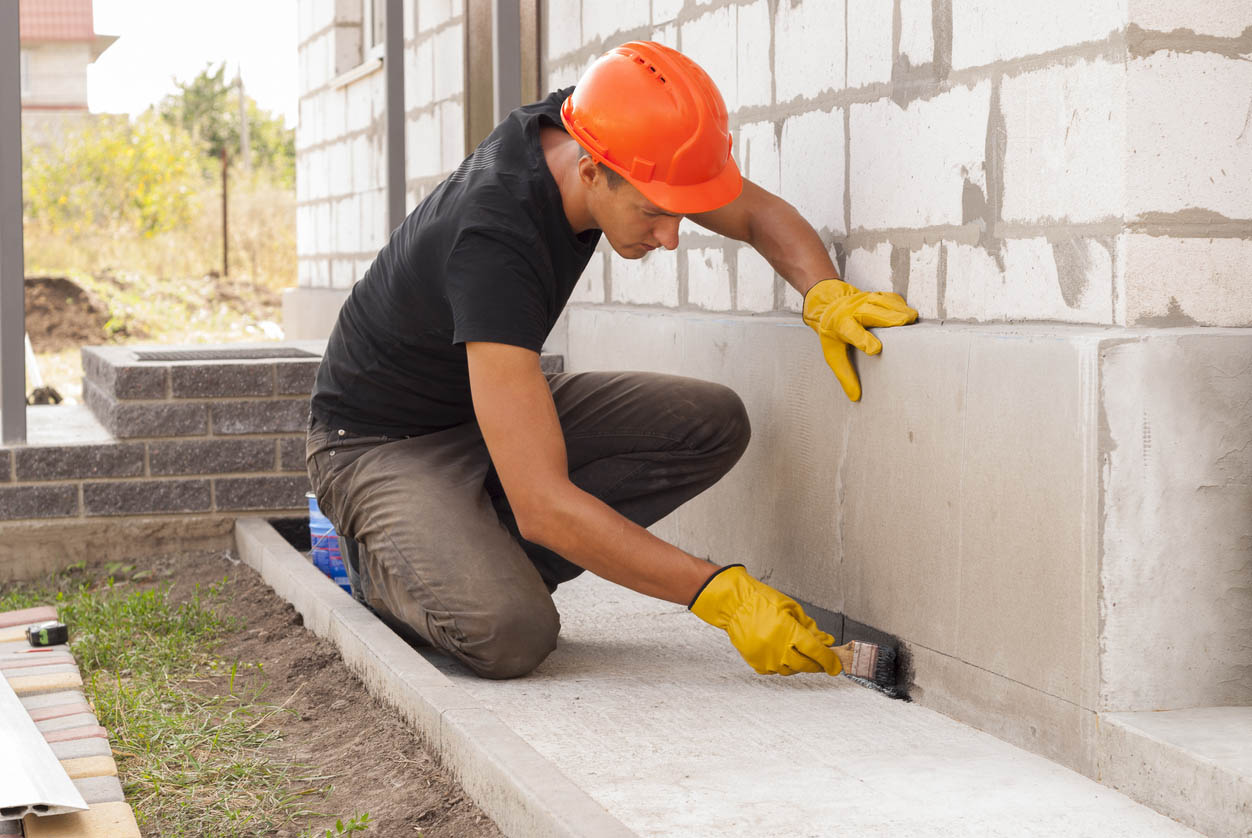
Proper toilet waterproofing represents a technical discipline requiring both material knowledge and application expertise. The seemingly simple act of creating a water-resistant barrier involves understanding substrate conditions, selecting appropriate membranes, and ensuring complete integration with existing plumbing systems.
The process typically involves:
-
Thorough surface preparation to ensure adhesion
-
Application of primer layers to promote membrane bonding
-
Installation of flexible waterproofing membranes at precise thicknesses
-
Careful treatment of critical junctions and penetration points
-
Integration with drainage systems and floor wastes
-
Comprehensive testing before finishing surfaces are applied
“Singapore’s tropical climate creates unique challenges for waterproofing systems, demanding materials that can withstand both extreme humidity and significant temperature fluctuations while maintaining integrity over decades,” observes a regional building scientist.
The Evolution of Waterproofing Technology
Like many building technologies, waterproofing has undergone significant evolution, progressing from rudimentary bituminous applications to sophisticated polymer systems designed for specific environmental conditions and application contexts.
Modern waterproofing solutions include:
-
Polyurethane liquid membranes offering flexibility and durability
-
Cementitious systems providing exceptional bond with concrete substrates
-
Sheet membranes for rapid installation in large areas
-
Injection systems for remedial waterproofing in existing structures
-
Crystalline waterproofing that becomes an integral part of concrete structures
-
Eco-friendly options free from volatile organic compounds
The Particular Vulnerability of Ageing Properties
Buildings constructed before contemporary waterproofing standards face particular vulnerability. The materials and techniques employed in earlier decades often fail to meet current performance expectations, creating a silent crisis in ageing housing stock.
For residents of older properties, proactive inspection and remediation represent not luxury but necessity. The calendar itself becomes a risk factor, with each passing year increasing the statistical likelihood of waterproofing failure.
The Wisdom of Professional Assessment
While various household maintenance tasks lend themselves to amateur intervention, toilet waterproofing stands firmly in the domain of professional expertise. The consequences of inadequate application—often invisible until significant damage occurs—make this an area where professional assessment proves invaluable.
“In Singapore’s context, engaging certified waterproofing specialists provides not just technical expertise but often contractual protections through performance warranties that can prove invaluable should issues develop,” advises one consumer protection organisation.
Water, in its persistent search for the path of least resistance, reveals the weaknesses in our built environment with unerring precision. It finds the gaps in our planning, the shortcuts in our construction, and the overlooked details in our maintenance routines. In the contest between water and building materials, time always favours water’s patience and persistence. The wisdom of preventative toilet waterproofing lies in recognising this fundamental truth and acting accordingly.