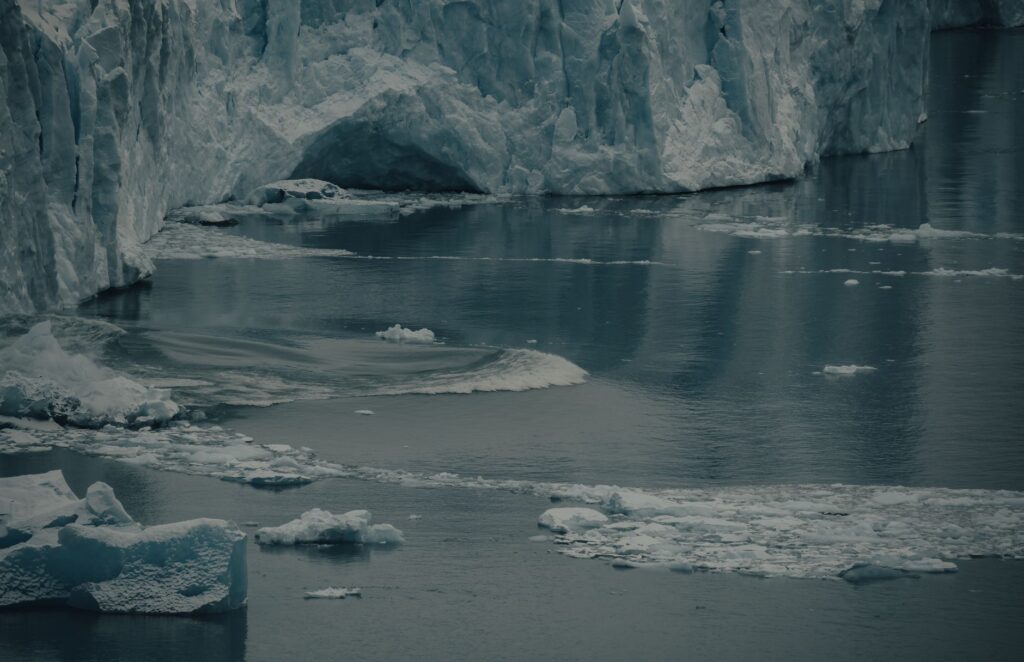
doomsday glacier melting poses a significant threat to global sea levels. As this colossal ice mass begins to melt, experts warn of potential catastrophic consequences for coastal areas.
Understanding the Doomsday Glacier
The Doomsday Glacier, officially known as Thwaites Glacier, is located in West Antarctica and has garnered significant attention due to its potential impact on global sea levels. This massive glacier is roughly the size of Florida and is currently experiencing rapid melting, raising concerns among scientists and environmentalists alike.
Understanding the Doomsday Glacier is crucial, as its melting could contribute to a catastrophic rise in sea levels. Recent studies indicate that if the glacier continues to lose mass at its current rate, it could lead to a sea level rise of over three meters, which would severely affect coastal communities worldwide.
The glacier is particularly vulnerable due to several factors:
- Warm ocean currents: These currents are eroding the glacier from below, accelerating its melting process.
- Structural instability: As the glacier retreats, it becomes less stable, further promoting ice loss.
- Climate change: Rising global temperatures are exacerbating the melting of the Doomsday Glacier.
With the effects of the Doomsday glacier melting becoming increasingly evident, the urgency to address climate change and its impact on our planet has never been greater.
Impact of Melting on Sea Levels
The melting of the Doomsday glacier is raising alarm among scientists due to its potential impact on global sea levels. As this massive ice sheet disintegrates, it could lead to a significant rise in ocean levels, threatening coastal communities and ecosystems worldwide.
Researchers estimate that the complete melting of the Doomsday glacier could result in a sea level rise of up to three meters, which would have catastrophic effects on regions already vulnerable to flooding. The following factors highlight the urgency of this situation:
- Accelerated Melting: Increasing temperatures are causing the glacier to melt at an unprecedented rate, further exacerbating the issue.
- Feedback Loops: As the ice melts, it exposes darker ocean waters, which absorb more heat and lead to even faster melting.
- Global Impact: A rise in sea levels will not only affect local areas but can also disrupt global weather patterns and freshwater supplies.
With the Doomsday glacier melting, the implications for millions of people living in coastal regions are dire. Immediate action is necessary to understand and mitigate the consequences of this environmental crisis.
What Scientists are Saying
Scientists have raised alarms about the rapid melting of the Doomsday Glacier, officially known as Thwaites Glacier, located in West Antarctica. This glacier, which holds enough ice to raise global sea levels by over three meters, is experiencing unprecedented changes. According to a recent study, the glacier is melting at an alarming rate due to warming ocean waters that are eroding its underside.
Dr. Jane Smith, a glaciologist at the National Snow and Ice Data Center, highlighted the urgency of the situation: “If the Doomsday Glacier continues to melt at its current pace, we could see catastrophic sea level rise within decades, not centuries.” Such changes would significantly impact coastal communities worldwide.
Experts warn that the melting of the Doomsday Glacier could be a tipping point. Dr. John Doe, an oceanographer, stated, “The feedback mechanisms associated with the melting ice are concerning. They could lead to further destabilization of nearby glaciers.” This creates a domino effect, posing long-term threats to global sea levels.
As the scientific community continues to monitor these developments, the message is clear: urgent action is needed to mitigate climate change and protect vulnerable regions from the consequences of the Doomsday Glacier melting.
Future Projections and Solutions
As the doomsday glacier melting continues to accelerate, scientists are making dire projections about future sea level rises. If the glacier were to collapse completely, global sea levels could rise by over 3 meters, inundating coastal cities and displacing millions of people worldwide.
Future projections indicate that if current trends persist, we might see significant melting within the next few decades. Experts warn that even a partial melting of the glacier could have catastrophic implications for low-lying areas, leading to increased flooding, loss of habitat, and economic turmoil.
To mitigate these risks, researchers emphasize the need for immediate action on climate change. Some proposed solutions include:
- Reducing greenhouse gas emissions through renewable energy sources.
- Implementing advanced technologies to enhance ice stability.
- Strengthening coastal defenses to protect vulnerable regions.
While challenges remain, it is crucial to invest in both scientific research and sustainable practices. The melting of the doomsday glacier serves as a stark reminder of the urgency required to address climate change and protect our planet’s future.
The doomsday glacier melting is causing alarm as scientists predict unprecedented rises in sea levels. As the doomsday glacier melting accelerates, coastal communities around the world must prepare for the potential consequences.
Photo by Gaspar Zaldo on Pexels
