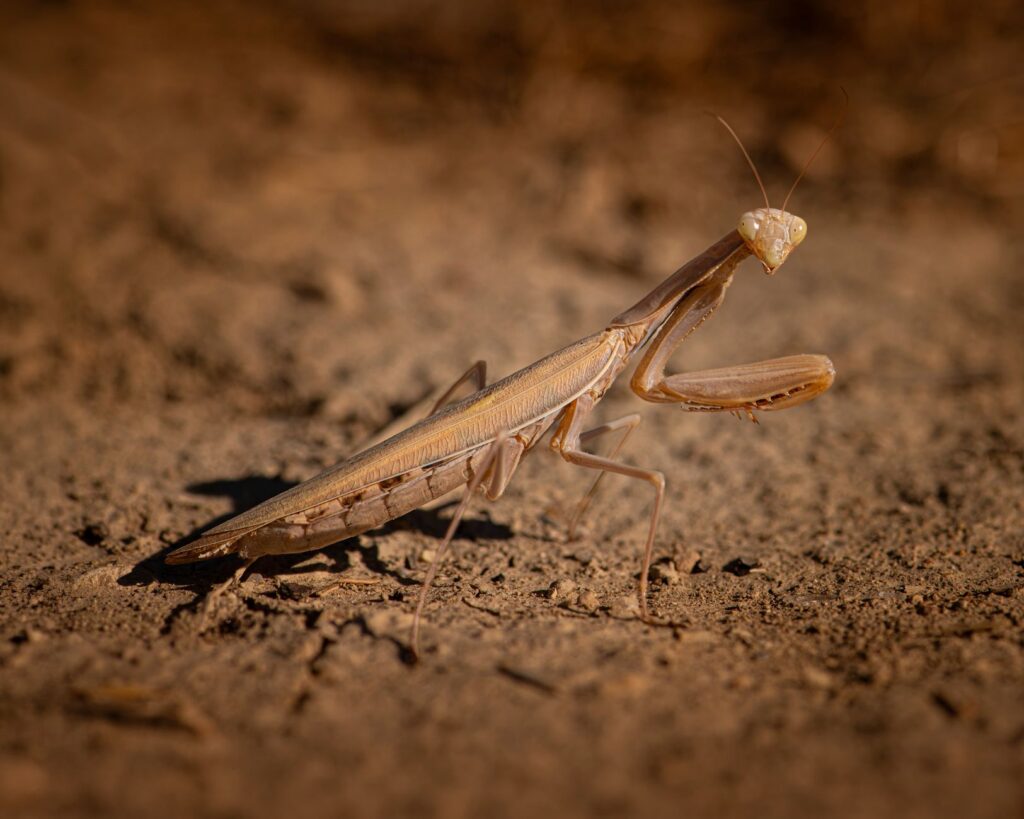
The 98-million-year-old mantis discovered in amber offers a fascinating glimpse into the past. Scientists are excited about this unique find, which showcases remarkable features like ‘leaves’ on its abdomen.
The Discovery of the Ancient Mantis
In a remarkable breakthrough, scientists have uncovered a 98-million-year-old mantis fossil preserved in amber, offering a rare glimpse into the past. This incredible discovery was made in Myanmar, where the amber, known for its exceptional preservation qualities, has yielded numerous ancient specimens over the years.
The mantis, remarkably well-preserved, showcases distinct features that have intrigued researchers. One of the most fascinating aspects is the presence of what appear to be leaf-like structures on its abdomen, which likely served a purpose in camouflage. This adaptation would have allowed the mantis to blend seamlessly into its surroundings, evading predators and enhancing its chances of survival.
Scientists believe that the mantis belonged to a now-extinct lineage, providing vital insights into the evolutionary history of these insects. The amber not only protects the mantis but also captures the intricate details of its anatomy, allowing for detailed study.
Such discoveries are crucial for understanding the biodiversity of ancient ecosystems and the adaptations that species developed over millions of years. The 98-million-year-old mantis serves as a poignant reminder of the complexity of life in the Cretaceous period.
What Makes This Mantis Unique?
The recent discovery of a 98-million-year-old mantis has captivated scientists and enthusiasts alike, primarily due to its unique features that distinguish it from modern species. One of the most striking characteristics of this ancient insect is the presence of what appear to be ‘leaves’ on its abdomen. This unusual adaptation suggests that the mantis may have evolved to blend seamlessly into its surroundings, enhancing its ability to evade predators.
Researchers have noted several aspects that make this mantis particularly fascinating:
- Camo Capabilities: The leaf-like structures provide excellent camouflage, allowing the mantis to hide among foliage.
- Evolutionary Insights: The discovery offers clues about the evolutionary history of mantises and their adaptations over millions of years.
- Amber Preservation: Being trapped in amber has preserved the specimen remarkably well, giving scientists a rare opportunity to study its anatomy.
Overall, the 98-million-year-old mantis serves as a key piece in understanding the ecological dynamics of its time, showcasing the intricate relationships between species and their environments.
Significance of Amber in Fossil Studies
Amber has long been recognized as a crucial medium for preserving ancient life forms, offering a unique glimpse into ecosystems of the past. The discovery of the 98-million-year-old mantis encapsulated in amber highlights its significance in fossil studies.
Amber serves as a natural time capsule, allowing scientists to study organisms that lived millions of years ago in their original habitats. The fossilization process occurs when tree resin hardens, trapping flora and fauna within. This exceptional preservation enables researchers to analyze the morphology and behavior of species that would otherwise remain unknown.
Furthermore, the study of amber fossils can reveal information about ancient climates and environments. Scientists can infer the types of vegetation that existed, as well as the climate conditions during the time the resin was produced. The 98-million-year-old mantis not only provides insight into the evolution of insects but also sheds light on the biodiversity of its era.
As research continues, the findings from amber fossils will likely enhance our understanding of ecological changes over time, demonstrating the invaluable role of amber in paleontology.
Understanding the Mantis’ Features
The 98-million-year-old mantis, recently discovered trapped in amber, exhibits remarkable features that offer insight into its ancient environment. The specimen showcases adaptations that were likely beneficial for survival during the Cretaceous period.
One of the most striking characteristics of this mantis is its unique abdominal structure, where it bears leaf-like extensions. These appendages are believed to have served as camouflage, allowing the mantis to blend seamlessly with its surroundings, evading predators and enhancing its hunting prowess.
Additionally, the mantis features:
- Elongated limbs: These limbs suggest agility and precision, crucial for capturing prey.
- Intricate wing patterns: The wings of the mantis exhibit delicate structures, which may have played a role in mating displays or flight techniques.
- Compound eyes: The large, multifaceted eyes indicate advanced vision, enabling the mantis to detect movement in its environment.
The preservation of these traits in the fossilized state offers a rare glimpse into the evolutionary history and ecological dynamics of the time, emphasizing the importance of studying such ancient specimens.
Implications for Paleontology
The discovery of the 98-million-year-old mantis has significant implications for the field of paleontology. This remarkable find not only sheds light on the biodiversity of ancient ecosystems but also enhances our understanding of evolutionary processes. The presence of such a well-preserved specimen allows scientists to study the morphology and behavior of mantises from a time when the Earth was vastly different.
One of the key implications of this discovery is the evidence it provides about the interactions between flora and fauna during the Cretaceous period. The mantis’ unique features, including the ‘leaves’ on its abdomen, suggest a complex relationship with its environment, possibly for camouflage or mating displays. This offers new insights into how species adapted to their surroundings and evolved over millions of years.
Furthermore, this find highlights the importance of amber as a medium for fossil preservation. Each inclusion in amber serves as a snapshot of life in the past, allowing paleontologists to piece together the ecological dynamics of ancient habitats. By studying such specimens, researchers can better understand the evolutionary lineage of modern mantises and their role in current ecosystems.
How Scientists Made the Find
Scientists made the remarkable discovery of the 98-million-year-old mantis during an excavation of amber deposits in Myanmar. These amber deposits are known for preserving ancient organisms in remarkable detail, providing a unique glimpse into prehistoric life. The research team, composed of experts in paleontology and entomology, meticulously examined the amber specimens using advanced imaging techniques.
During their analysis, they identified a well-preserved specimen that exhibited unusual features, including leaf-like structures on its abdomen. This striking morphology intrigued the researchers, prompting them to conduct further studies to understand the mantis’s ecological role during the Cretaceous period. They compared the findings with other known species, which helped in establishing the evolutionary significance of this ancient mantis.
The team also collaborated with specialists in amber geology to ensure accurate dating of the fossil. Using radiometric dating techniques, they confirmed the age of the amber, which solidified the mantis’s status as one of the oldest known specimens of its kind. This discovery not only highlights the diversity of ancient insects but also enhances our understanding of the evolution of mantises, making it a crucial find in the field of paleontology.
Future Research Directions
As the excitement surrounding the 98-million-year-old mantis discovery continues to grow, researchers are already contemplating future research directions to further unlock the mysteries of this ancient insect. The findings have opened several avenues for exploration, including:
- Genetic Analysis: By comparing the DNA remnants of the mantis with modern relatives, scientists hope to understand evolutionary adaptations and how environmental changes influenced their development over millions of years.
- Ecological Context: Future studies will focus on the ancient ecosystem in which this mantis thrived, examining what it reveals about the biodiversity during the Cretaceous period and how such organisms interacted within their habitats.
- Amber Studies: The unique properties of the amber that preserved the mantis will be scrutinized to learn more about the conditions that allowed for such remarkable fossilization, which could lead to discoveries of other ancient species.
- Comparative Morphology: Researchers aim to delve deeper into the mantis’ physical features, particularly the unusual ‘leaves’ on its abdomen, to gain insights into their function and evolutionary significance.
Through these avenues, the legacy of the 98-million-year-old mantis is poised to enrich our understanding of both ancient and modern ecosystems.
The discovery of the 98-million-year-old mantis has provided valuable insights into the evolution of this fascinating insect. Researchers are excited about the implications of the 98-million-year-old mantis for understanding ancient ecosystems.
Photo by Jesús Esteban San José on Pexels
References
You might also like
Apple TV 4K Deal: Best Price for Proven Streaming Experience · GTA 6 release date: The Best Tracker for Launch Day · Nvidia DOJ probe: Worst implications for AI business
