Beyond Walls and Windows: How Commercial Renovation Reshapes Human Experience

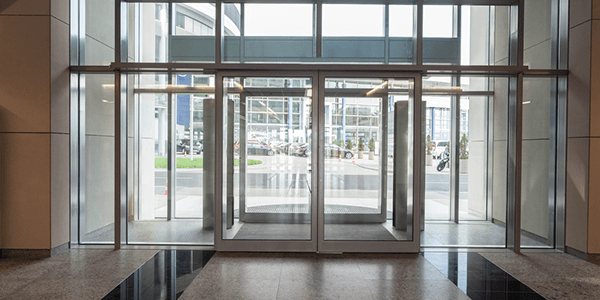
The process of commercial renovation represents far more than mere aesthetic enhancement—it fundamentally reconfigures the spaces where modern humans spend the majority of their waking hours, subtly shaping behaviours, relationships, and organisational cultures in ways we rarely consciously perceive.
The Anthropology of Commercial Spaces
Throughout human evolutionary history, our species has continuously modified its surroundings to enhance survival prospects. What began as rudimentary shelters evolved into increasingly complex structures, ultimately culminating in the highly specialised commercial spaces of today. These environments—offices, retail establishments, hospitality venues—are not neutral containers but active participants in shaping human behaviour and social dynamics.
When we examine commercial spaces anthropologically, we discover that their design reflects prevailing power structures, cultural values, and technological capabilities. Open-plan offices, for instance, emerged not merely as space-saving measures but as physical manifestations of organisational transparency ideals and collaborative work philosophies.
The Hidden Language of Space
Commercial environments communicate constantly through an unspoken language of spatial arrangement, materials, lighting, and acoustics. Consider these elements as vocabulary in this silent discourse:
-
Ceiling height influences abstract thinking and creativity
-
Natural light exposure affects circadian rhythms and cognitive performance
-
Acoustic properties shape communication patterns and stress levels
-
Material selections trigger associations ranging from luxury to sustainability
-
Spatial flow dictates interaction frequency and social network development
“Singapore’s commercial renovation approach increasingly emphasises biophilic design principles, with studies showing 15% productivity improvements in spaces incorporating natural elements and adequate natural lighting.”
Beyond Aesthetics: The Cognitive Impact
The true significance of commercial renovation extends far beyond visual appeal. Research increasingly demonstrates that our physical environments profoundly affect cognitive processes ranging from decision-making to creative problem-solving. The implications are substantial: a thoughtfully renovated commercial space can become a competitive advantage by enhancing occupant cognitive performance.
This cognitive dimension manifests in concrete outcomes—higher sales in retail environments, improved patient outcomes in healthcare settings, enhanced learning in educational spaces, and increased innovation in workplaces. These effects emerge not from conscious appreciation of design elements but through subtle environmental psychology mechanisms operating beneath awareness thresholds.
The Technological Revolution in Commercial Spaces
We stand at a fascinating inflection point where digital and physical environments increasingly merge. Smart building technologies, augmented reality overlays, and internet-of-things integration are transforming static commercial environments into responsive, adaptive systems that learn from and adjust to human behaviour patterns.
“Singapore’s Building and Construction Authority notes that integrating smart systems during commercial renovation can reduce operational costs by up to 30% while enhancing occupant comfort and productivity.”
This technological dimension of commercial renovation introduces unprecedented capabilities:
-
Predictive environmental adjustments based on occupancy patterns
-
Real-time energy optimisation responding to actual usage
-
Spatial reconfiguration capabilities enabling rapid adaptation
-
Data-driven design refinements based on observed human behaviours
-
Enhanced accessibility through technological accommodations
The Sustainability Imperative
Perhaps no aspect of commercial renovation carries greater significance than its environmental dimension. Commercial buildings represent substantial contributors to carbon emissions, resource consumption, and waste generation. Through thoughtful renovation, existing structures can be transformed from environmental liabilities into sustainability assets.
This transformation encompasses:
-
Energy efficiency enhancements reducing carbon footprints
-
Water conservation systems reflecting ecological consciousness
-
Material selections prioritising circular economy principles
-
Indoor environmental quality improvements supporting human health
-
Adaptive reuse strategies preserving embodied energy in existing structures
“Singapore’s Green Mark certification programme recognises that comprehensive commercial renovation can reduce building energy consumption by up to 50% while significantly improving indoor environmental quality.”
The Economic Paradox
The economics of commercial renovation presents a fascinating paradox. While initial investment costs often appear substantial when viewed through traditional accounting frameworks, they frequently yield returns that extend far beyond conventional financial metrics. The true value creation encompasses enhanced productivity, reduced operational expenses, improved talent attraction and retention, and the often-overlooked benefit of future adaptability.
In a world of accelerating change, perhaps the most valuable aspect of thoughtful commercial renovation is not the immediate solution it provides but the adaptive capacity it builds into the physical infrastructure of business. The most successful renovations create not static monuments but flexible platforms capable of evolving alongside the organisations they house and the societies they serve.
Cultural Reflection and Projection
Commercial spaces simultaneously reflect and shape cultural values. The shift from hierarchical office layouts to collaborative environments mirrors broader social movements toward flattened hierarchies. The integration of wellness facilities acknowledges evolving understandings of work-life balance. The preservation of heritage elements amid modernisation speaks to cultural continuity values.
Through renovation, commercial spaces become time capsules containing archaeological layers of business philosophies, technological capabilities, and design sensibilities. They simultaneously serve as projections of aspirational futures—physical manifestations of where organisations envision themselves heading.
Conclusion
The seemingly mundane act of renovating commercial space reveals itself, upon deeper examination, to be a profoundly consequential undertaking with ramifications extending far beyond aesthetics or functionality. These environments silently shape human experience, influence organisational effectiveness, and reflect broader cultural trajectories.
As we move further into the Anthropocene age—where human impact dominates planetary systems—the thoughtful reconfiguration of our built environment represents a critical leverage point for addressing collective challenges ranging from climate change to social cohesion. The future of our species will unfold largely within constructed environments, making the conscious evolution of these spaces through thoughtful commercial renovation perhaps the most significant design challenge of our time.