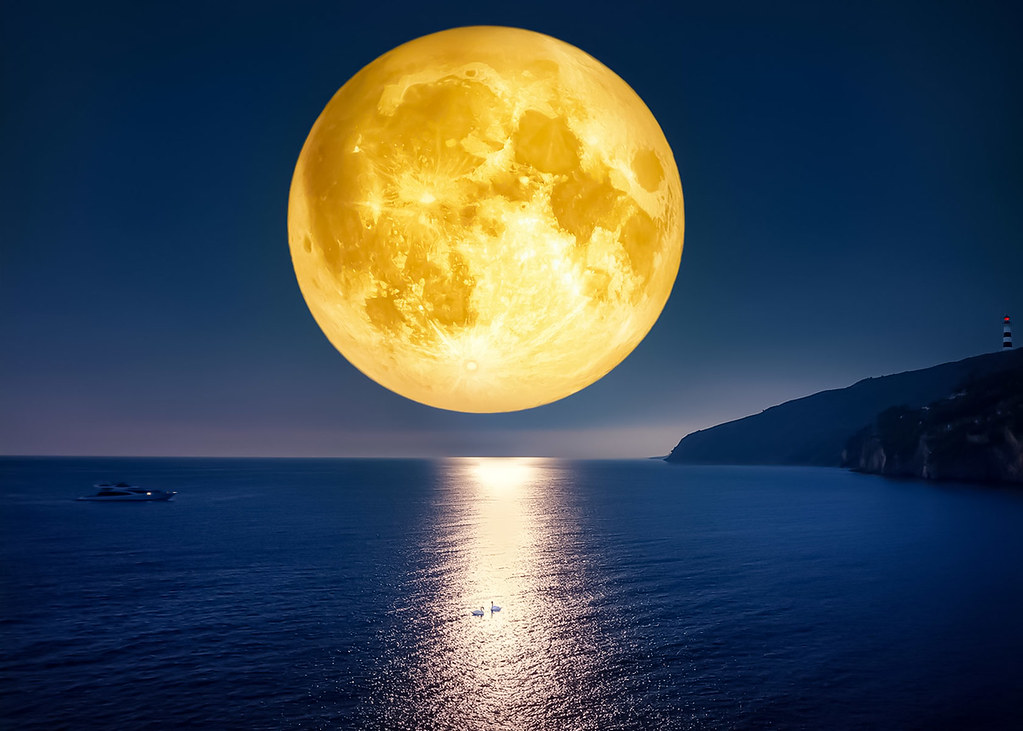
supermoons November Beaver Moon marks the beginning of an extraordinary astronomical event. This month, skywatchers can enjoy four consecutive supermoons, starting with the full Beaver Moon in November.
What is a Supermoon?
A supermoon occurs when a full moon coincides with the moon’s closest approach to Earth in its elliptical orbit. This phenomenon makes the moon appear larger and brighter than usual. The term “supermoon” became popularized in recent years, but the scientific definition is grounded in specific criteria.
To qualify as a supermoon, the moon must be within 90% of its closest distance to Earth, which is known as perigee. When this happens, lunar observers can enjoy a stunning view of the moon, particularly when it rises just above the horizon. The visual effect is often amplified by atmospheric conditions, making it a breathtaking sight.
In November, the Beaver Moon marks one of the most notable supermoons of the year. Traditionally, this full moon was named for the time of year when beavers were active in preparing for winter. Observers can expect a spectacular view during this event, highlighting the beauty and wonder of the night sky.
The Significance of the Beaver Moon
The Beaver Moon, occurring in November, holds significant cultural and astronomical importance. Traditionally, this full moon was named for the time when beavers were actively preparing for winter by building their dams. Native American tribes used this period to set traps before the water froze, ensuring a steady supply of food during the harsh winter months.
In addition to its historical roots, the Beaver Moon is also notable for its appearance as a supermoon. A supermoon occurs when the moon is at its closest point to Earth in its orbit, making it appear larger and brighter in the night sky. The November Beaver Moon is particularly captivating, providing a perfect opportunity for stargazers and photographers alike to witness its magnificence.
As communities gather to observe this celestial event, it serves as a reminder of the rhythms of nature and the changing seasons. The Beaver Moon is not just a spectacle; it symbolizes resilience and preparation for the months ahead.
How to Observe the Supermoons
Observing the supermoons, particularly November’s Beaver Moon, can be a breathtaking experience. Here are some tips to make the most of your lunar viewing:
- Choose the Right Location: Find an open area away from city lights. Parks, fields, or elevated locations offer the best views.
- Check the Weather: Clear skies are essential for observing the supermoons. Monitor weather forecasts to plan your viewing night accordingly.
- Timing is Key: The best time to view the Beaver Moon is when it rises just above the horizon, creating a stunning visual effect.
- Use Binoculars or a Telescope: While the moon is visible to the naked eye, binoculars or a telescope can enhance details of its surface.
- Capture the Moment: Bring a camera to capture the beauty of the supermoons. Experiment with different settings for the best shots.
By following these tips, you can fully enjoy the wonder of November’s Beaver Moon and the supermoons that follow.
Upcoming Celestial Events
As we approach the end of the year, November brings an exciting celestial event: the Beaver Moon. This full moon is part of a series of supermoons that have captivated skywatchers throughout the year. The Beaver Moon, which occurs on November 27, will appear particularly large and bright in the night sky, making it a must-see for astronomy enthusiasts.
In addition to the Beaver Moon, several other celestial events are on the horizon:
- November 11: A total lunar eclipse will be visible in parts of North America, offering a stunning view as the Earth casts its shadow on the moon.
- November 17: The Leonid meteor shower will peak, with meteors streaking across the sky at a rate of up to 15 meteors per hour.
- November 30: The month concludes with a conjunction of Venus and Saturn, providing an excellent opportunity for stargazing.
Mark your calendars for these upcoming celestial events, and don’t miss the chance to witness the spectacular November Beaver Moon!
Tips for Skywatching
As November’s Beaver Moon approaches, skywatchers can enhance their experience with a few helpful tips. Observing supermoons can be a magical event, and preparation is key to making the most of this celestial display.
- Choose the Right Location: Find a spot with minimal light pollution. Parks or elevated areas away from city lights offer the best views.
- Check the Weather: Clear skies are essential for observing the supermoon. Monitor local weather forecasts to pick the best night.
- Timing is Everything: The Beaver Moon will appear brightest and largest shortly after it rises. Aim to be outside about 30 minutes to an hour after sunset for optimal viewing.
- Use Binoculars or a Telescope: While the moon is stunning to view with the naked eye, binoculars or a telescope can enhance details.
- Capture the Moment: Don’t forget your camera! The Beaver Moon can provide excellent photo opportunities.
Following these tips will ensure you fully enjoy the enchanting experience of the supermoons, particularly November’s Beaver Moon.
Impact of Supermoons on Nature
Supermoons, particularly November’s Beaver Moon, have a profound impact on nature and the environment. Their increased brightness and size can affect various natural phenomena.
- Tides: The gravitational pull of a supermoon is stronger, leading to higher high tides and lower low tides, which can significantly alter coastal ecosystems.
- Nocturnal Wildlife: Many animals, especially nocturnal species, rely on moonlight for navigation and hunting. The enhanced brightness of a supermoon can disrupt their natural behaviors.
- Plant Growth: Some studies suggest that the light from a supermoon can influence flowering and germination patterns in plants, especially those that are sensitive to lunar cycles.
- Human Activity: The visibility offered by a supermoon often encourages outdoor activities at night, impacting wildlife by increasing the likelihood of human-animal interactions.
As November’s Beaver Moon approaches, it serves as a reminder of the delicate balance between celestial events and their influence on our planet’s ecosystems.
Frequently Asked Questions about Supermoons
As interest in astronomy grows, many people have questions about supermoons, particularly November’s Beaver Moon. Here are some frequently asked questions:
- What causes a supermoon? A supermoon occurs when the full moon coincides with its closest approach to Earth, known as perigee.
- How often do supermoons happen? Supermoons can happen several times a year, but not all full moons are considered supermoons.
- What is the significance of the Beaver Moon? Traditionally, the Beaver Moon marks the time to set beaver traps before winter and is associated with the arrival of cold weather.
- Can supermoons affect tides? Yes, the gravitational pull of a supermoon can lead to higher-than-normal tides.
- Are supermoons visible from anywhere? Supermoons are generally visible worldwide, but the best viewing conditions depend on local weather.
For November’s Beaver Moon, enthusiasts should prepare for a stunning celestial display and take advantage of the opportunity to learn more about these fascinating astronomical events.
As we prepare for the supermoons November Beaver Moon, it’s essential to understand what makes this lunar event so special. Observers will be treated to a stunning display as the supermoons November Beaver Moon lights up the night sky.
By Ron Cogswell via Openverse
Where this came from
Related reading
Is Teenage Engineering CD Player the Best New Tech Device? · Marvel Rivals Rankings: The Best Season 11 Reset Insights · GTA 6 autosave issues: The Worst Proven Problems
