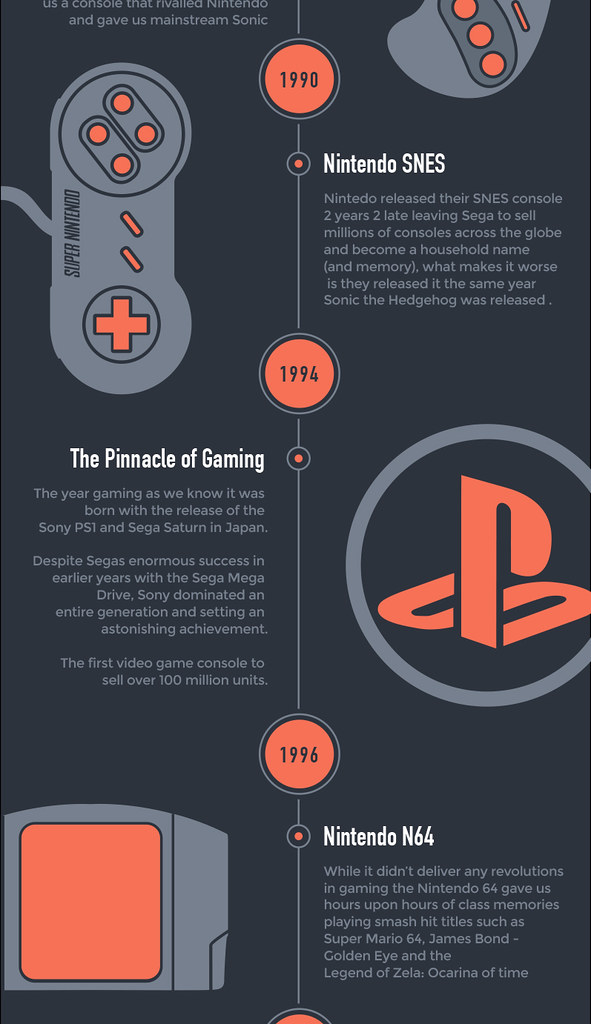
Sony video game console changed the landscape of gaming 26 years ago. This release marked a pivotal moment in the evolution of interactive entertainment.
The Impact of Sony’s Video Game Console
The impact of Sony’s video game console on the gaming industry cannot be overstated. Since its debut, it has reshaped how players engage with video games, setting new standards for graphics, gameplay, and user experience. The introduction of the PlayStation revolutionized home entertainment, bringing high-quality gaming into living rooms worldwide.
Over the years, Sony has consistently pushed the envelope with each iteration, including:
- Innovative technology: Enhancements in processing power and graphics capabilities.
- Exclusive titles: A robust lineup of games that have become cultural phenomena.
- Online connectivity: Creating a global community of gamers through online services.
As a result, the legacy of Sony’s video game console continues to influence developers and players alike, solidifying its status as a cornerstone of modern gaming.
How the PlayStation Changed Gaming
The release of the Sony video game console marked a pivotal moment in the gaming industry, transforming not only how games were developed but also how they were consumed. With the introduction of the PlayStation in 1994, players experienced a new era of 3D graphics and immersive gameplay.
Some key innovations that contributed to the PlayStation’s success include:
- CD-ROM Technology: This allowed for larger game sizes and richer audio-visual experiences.
- Exclusive Titles: Iconic franchises like Final Fantasy and Metal Gear Solid attracted a dedicated fanbase.
- User-Friendly Interface: The console’s design and accessibility appealed to a wider audience.
As a result, the PlayStation not only revolutionized gaming but also set the stage for future Sony video game consoles, solidifying its place in history.
Key Features of the Original PlayStation
The original PlayStation, released by Sony, introduced several key features that revolutionized the gaming industry. Its innovative hardware and design set it apart from competitors and laid the groundwork for future consoles.
- 3D Graphics Capability: The PlayStation was one of the first consoles to support real-time 3D graphics, enhancing the gaming experience with immersive environments.
- CD-ROM Format: Utilizing CDs instead of cartridges allowed for larger game storage, enabling developers to create more expansive worlds.
- DualShock Controller: The introduction of the DualShock controller, with its vibration feedback and analog sticks, improved gameplay precision and comfort.
- Robust Game Library: A diverse range of titles, from action-adventure to RPGs, attracted a wide audience and established a loyal fan base.
These features contributed significantly to the success of Sony’s video game console and its lasting impact on gaming culture.
The Evolution of Sony’s Gaming Consoles
The evolution of Sony’s gaming consoles has been marked by innovation and a commitment to enhancing the gaming experience. Starting with the original PlayStation, which debuted in 1994, Sony transformed the landscape of video gaming with its powerful hardware and extensive game library.
Following the original, each subsequent console introduced groundbreaking features:
- PlayStation 2: The first console to play DVDs, it solidified Sony’s dominance in the market.
- PlayStation 3: Introduced high-definition graphics and online gaming capabilities.
- PlayStation 4: Focused on social gaming and a vast selection of exclusive titles.
- PlayStation 5: Built to deliver lightning-fast load times and immersive gameplay through advanced technology.
Each iteration of the Sony video game console has redefined gaming, making it a staple in households worldwide.
Comparing Sony’s Console to Rivals
When comparing Sony’s video game console to its rivals, several factors come into play. The PlayStation series has consistently set a high standard in the gaming industry, often leading in performance and user experience. Key aspects include:
- Exclusive Titles: Sony has a robust library of exclusive games that attract players, such as the Uncharted and The Last of Us series.
- Graphics and Performance: With each iteration, the consoles have pushed the boundaries of graphics, providing immersive experiences that rival competitors.
- Online Services: PlayStation Network offers comprehensive online gaming features, enhancing the multiplayer experience.
While rivals like Microsoft and Nintendo have also made significant strides, Sony’s video game console remains a pivotal player in shaping the gaming landscape.
Cultural Significance of the PlayStation
The cultural significance of the PlayStation extends beyond its technological innovations. Since its debut, the Sony video game console has become a symbol of social interaction, creativity, and entertainment. It has fostered a unique community of gamers, influencing not just gameplay but also music, art, and film.
Moreover, the PlayStation has played a pivotal role in shaping popular culture. Here are some key aspects of its impact:
- Community Building: The console has brought together players from diverse backgrounds, fostering friendships and collaborations.
- Influence on Media: Iconic game franchises have inspired movies, music, and merchandise, creating a cultural phenomenon.
- Innovation in Storytelling: Games have evolved into complex narratives, often exploring deep themes and character development.
Overall, the PlayStation’s legacy continues to resonate, making it a cornerstone of modern entertainment.
What Made the Sony Video Game Console a Success
The success of the Sony video game console can be attributed to several key factors. First, innovation played a crucial role; the introduction of CD-ROM technology allowed for larger game storage and enhanced graphics. This was a game changer in the industry.
Second, exclusive titles such as Final Fantasy VII and Gran Turismo attracted a dedicated fan base, ensuring a strong library of games from launch. Third, Sony’s effective marketing strategies helped establish the PlayStation as a household name, appealing to both casual and hardcore gamers.
Finally, the company’s commitment to user experience led to an intuitive interface and online capabilities, setting a standard that competitors would strive to meet. These elements combined solidified the Sony video game console’s position as a leader in the gaming market.
Looking Back: 26 Years of PlayStation
Since its launch in 1994, the Sony video game console has transformed the gaming landscape, becoming a household name and a cultural icon. Over the past 26 years, the PlayStation brand has evolved significantly, introducing a range of consoles that have consistently pushed the boundaries of technology and gameplay.
The original PlayStation set the stage for future innovations with its 3D graphics and CD-ROM format, captivating gamers around the world. Each subsequent iteration, from the PS2 to the PS5, has built upon this foundation, incorporating advanced features such as online gaming, high-definition graphics, and virtual reality.
As we reflect on these 26 years, it’s clear that the Sony video game console has not only shaped the gaming industry but also created lasting memories for millions of players worldwide.
The Sony video game console has consistently pushed the boundaries of technology and entertainment since its inception. With each new release, the Sony video game console introduces innovative features that captivate gamers around the world.
By iluvs1udk via Openverse
Sources
Related stories
Instagram iPhone Duo: Worst User Experience Needs Clear Fixes · Googlebook OS Update: Proven Fixes and New Audio Features · AI demand growth: What’s the Right Proven Strategy?
