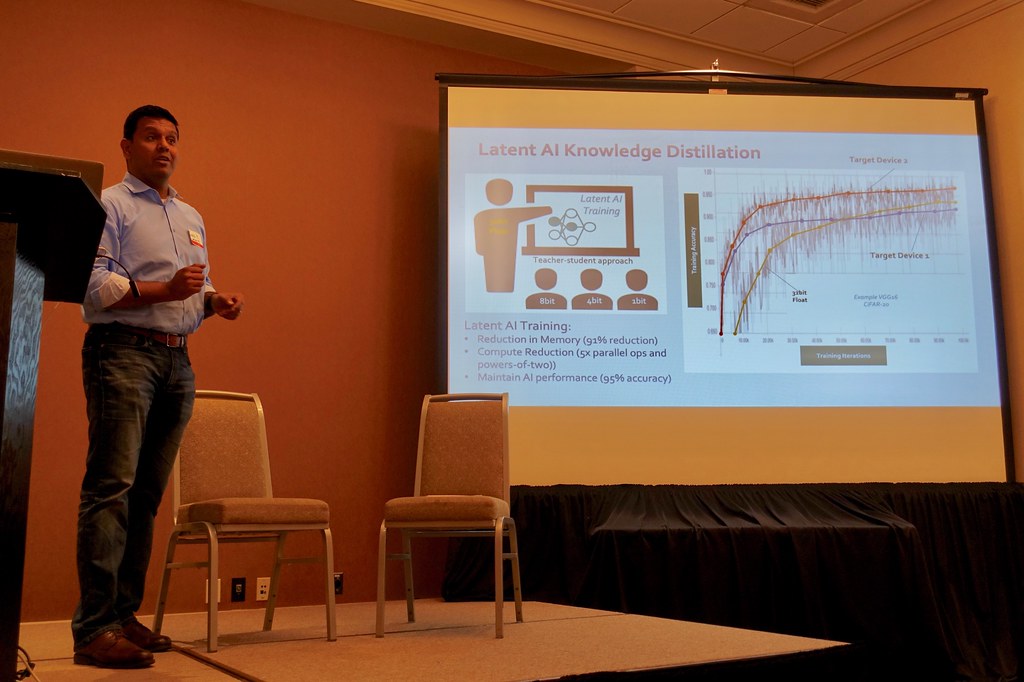
AI security funding has reached an impressive $140 million, but the crowded market raises questions about its true value. As competition intensifies, investors are scrutinizing the potential for growth and innovation.
Understanding the AI Security Market
The AI security market has been experiencing significant growth, attracting considerable attention from investors. With the recent news of Reco AI securing $140 million in funding, many are questioning the viability and potential of such a large investment in an increasingly crowded landscape.
As organizations face rising cyber threats, the demand for innovative AI-driven security solutions is at an all-time high. This surge in interest has led to numerous startups and established companies entering the market, each vying for a share of the lucrative pie. However, the influx of new players also raises concerns about saturation and competition.
Key factors driving the AI security market include:
- Advanced Threat Detection: AI algorithms are capable of learning from vast datasets, enhancing their ability to identify and respond to threats in real-time.
- Cost Efficiency: Implementing AI security solutions can reduce the need for extensive human oversight, potentially lowering operational costs.
- Scalability: AI systems can easily scale to meet the evolving security needs of businesses, adapting to new threats as they arise.
Despite the promising outlook, investors must weigh the potential returns against the risks posed by an oversaturated market. As the AI security funding landscape evolves, determining which companies will emerge as leaders remains a challenge for stakeholders.
Recent Trends in AI Funding
In recent months, the landscape of AI security funding has evolved significantly, reflecting both heightened interest and the complexities of a competitive market. With technology advancing rapidly, investors are increasingly drawn to the potential of AI in enhancing security protocols. However, data indicates that funding in this sector has become both plentiful and strategic.
According to industry reports, the total funding for AI security startups has seen a substantial increase, with many companies securing millions to bolster their innovative solutions. Notably, a recent funding round for Reco AI highlighted the growing trend, as it achieved an impressive milestone of $140 million. This influx of capital underscores the belief that AI can play a crucial role in addressing security challenges faced by organizations today.
Nevertheless, the crowded market poses a challenge for new entrants. Investors are becoming more discerning, focusing on startups that offer unique, scalable solutions. As a result, companies are compelled to distinguish themselves through technological advancements and robust business models.
- Increased investment from venture capitalists.
- Focus on innovative cybersecurity solutions.
- Demand for differentiation in a competitive environment.
As the AI security funding race heats up, the question remains: Is the $140 million investment in Reco AI justified, or will the crowded market dilute its potential for success?
Challenges Facing New AI Startups
The landscape of AI security funding is rapidly evolving, yet new startups face numerous challenges that can hinder their progress and viability in this competitive market.
One significant obstacle is the intense competition among emerging companies. With many players vying for attention, startups must differentiate themselves through unique value propositions or innovative solutions to attract investors and customers alike.
Another challenge is the regulatory environment. As AI technology continues to advance, governments are increasingly scrutinizing its implications for privacy and security. Startups must navigate complex regulations to ensure compliance, which can divert resources away from product development.
Additionally, talent acquisition poses a hurdle. The demand for skilled professionals in AI and cybersecurity often outstrips supply, making it hard for new companies to build effective teams. This talent gap can limit a startup’s ability to innovate and execute its business strategy efficiently.
Furthermore, the trust factor cannot be overlooked. Consumers and businesses are cautious about adopting AI security solutions due to concerns over reliability and potential risks. Startups need to invest significantly in building trust and credibility, often requiring substantial funding.
In conclusion, while the recent surge in AI security funding reflects optimism about the sector, startups must confront these challenges head-on to leverage their investments effectively.
The Impact of Competition on AI Security
The landscape of AI security funding is becoming increasingly competitive, with new players entering the market and established companies vying for investor attention. As the demand for robust AI security solutions grows, the influx of capital has intensified the race to develop innovative technologies. However, this competitive environment raises several challenges for startups seeking to carve out a niche.
- Market Saturation: With numerous companies offering similar AI security solutions, differentiating products and services is crucial. Startups must demonstrate unique value propositions to attract both customers and investors.
- Investor Expectations: As funding in AI security reaches significant heights, such as the recent $140M investment, the pressure on companies to deliver disruptive technologies has increased. Investors expect high returns, which may lead to unrealistic timelines and goals for startups.
- Innovation vs. Regulation: The rapid pace of innovation in AI security must also navigate the complex landscape of regulations. Companies must balance the need for advancement with compliance to ensure their solutions are both effective and legally sound.
In this crowded market, the effectiveness of AI security funding cannot be solely measured by the amount raised. The long-term success of these investments will depend on the ability of companies to innovate and adapt within a competitive and ever-evolving landscape.
What Investors Need to Know
As the AI security landscape evolves, investors must navigate a complex environment where substantial funding like the recent $140M investment can be both a beacon of opportunity and a signal of risk. Understanding the nuances of AI security funding is crucial for making informed decisions.
Investors should consider the following key factors:
- Market Saturation: With numerous companies vying for attention, distinguishing between the most promising startups and those that may struggle to gain traction is essential.
- Technological Advancements: The pace of innovation in AI security is rapid. Investors must stay abreast of the latest advancements to identify which technologies are gaining traction and why.
- Regulatory Landscape: As AI technologies become more prevalent, regulatory scrutiny is increasing. Understanding how regulations may impact AI security startups can help mitigate risks.
- Competitive Landscape: The crowded market means that differentiation is vital. Investors should assess how a startup plans to carve out its niche amidst fierce competition.
- Long-Term Viability: While short-term gains can be tempting, focusing on long-term sustainability of AI security solutions is critical for lasting success.
In summary, while the $140M AI security funding signifies strong interest in the sector, potential investors must weigh these factors carefully to optimize their investment strategy.
Future Predictions for AI Security
As the landscape of AI security evolves, predictions for its future are becoming increasingly vital for stakeholders. The recent surge in AI security funding, highlighted by the significant $140M investment, underscores a growing recognition of the importance of robust security measures in an AI-driven world.
Experts suggest that the demand for AI security solutions will continue to rise, driven by escalating cyber threats and the rapid integration of AI technologies across various industries. Key predictions for the future include:
- Increased Investment: It is anticipated that investors will continue to funnel resources into AI security, seeking innovative startups that can demonstrate unique solutions to pressing security challenges.
- Technological Advancements: With more funding, there will likely be advancements in machine learning algorithms and cybersecurity protocols, making AI security tools more effective in identifying and mitigating risks.
- Regulatory Influence: Governments and regulatory bodies may introduce stricter guidelines, compelling companies to enhance their security measures and invest in AI security funding to comply.
- Market Consolidation: The crowded AI security market may lead to mergers and acquisitions, as larger firms seek to bolster their offerings through strategic partnerships or buyouts of promising startups.
In summary, while the $140M investment in AI security is substantial, its true worth will depend on how well the industry navigates these impending changes and challenges.
Is $140M Enough for Success?
The recent announcement of $140 million in AI security funding has sparked debate about whether this investment is sufficient for success in a rapidly evolving market. As the landscape becomes more competitive, companies must not only innovate but also effectively allocate resources to stand out.
Investors are questioning if the influx of capital will enable startups to overcome significant challenges. With numerous players vying for attention, a sizeable budget does not guarantee market dominance. Key factors that determine success include:
- Technological Innovation: The ability to develop cutting-edge solutions is paramount. Companies must invest in research and development to stay ahead.
- Market Positioning: Understanding customer needs and adapting products accordingly is crucial for attracting clients.
- Scalability: Startups need to demonstrate that their solutions can grow with demand, ensuring longevity in the market.
- Strong Leadership: A capable team with a clear vision can make a significant difference in navigating challenges.
While $140 million in AI security funding provides a strong foundation, the road to success is fraught with challenges. Startups must leverage this investment wisely to not only survive but also thrive in an increasingly crowded market. The question remains: Will this funding be enough to propel them to success, or will it fall short in meeting the demands of the industry?
The recent surge in AI security funding reflects the growing concerns over cybersecurity threats. As companies weigh the benefits, the question remains: is AI security funding truly worth the $140M investment?
By jurvetson via Openverse
