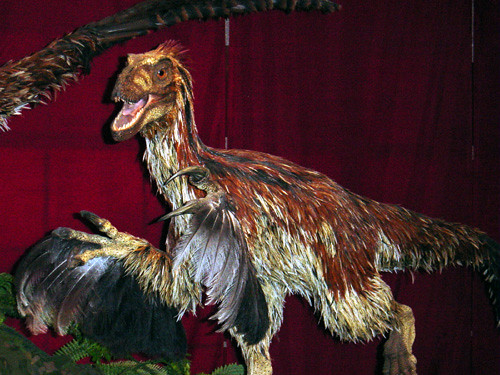
feathered dinosaur flight is reshaping our understanding of how flight capabilities evolved in ancient species. Recent discoveries suggest that these abilities may have developed more than once among birds’ closest relatives.
The Evolution of Flight in Dinosaurs
The evolution of flight in dinosaurs has long fascinated scientists, and recent discoveries have shed new light on this complex process. A recent study reveals that feathered dinosaur flight may have evolved multiple times among the ancestors of modern birds.
Research indicates that the development of flight was not a singular event but rather a series of adaptations that occurred in various lineages. This suggests that different species experimented with flight in diverse ways, leading to various forms of aerial locomotion.
- Feathers: Initially evolved for insulation or display, feathers eventually played a crucial role in the mechanics of flight.
- Wing Structure: The anatomical adaptations in wing structure varied significantly, allowing for different flight capabilities.
- Behavioral Adaptations: Changes in behavior, such as gliding or flapping, also contributed to the evolution of flight.
These findings challenge previous assumptions and highlight the adaptability and innovation of feathered dinosaurs in their evolutionary journey towards flight.
New Discoveries in Paleontology
Recent discoveries in paleontology are reshaping our understanding of the origins of flight in dinosaurs. A newly unearthed feathered dinosaur fossil has provided compelling evidence that feathered dinosaur flight may have evolved multiple times among the ancestors of modern birds. This finding challenges the long-held belief that flight originated from a single lineage.
Researchers have identified key characteristics in this feathered dinosaur that suggest it adapted to an aerial lifestyle independently from its relatives. The implications of this discovery indicate a complex evolutionary pathway where various species developed similar traits for flight, enhancing their survival chances in diverse environments.
Key findings from this research include:
- Unique feather structures that differ from those found in other flying dinosaurs.
- Evidence of gliding capabilities, suggesting a transitional phase towards powered flight.
- Insights into the ecological niches these feathered dinosaurs occupied.
As scientists continue to piece together the evolutionary puzzle, the story of flight in dinosaurs becomes increasingly intricate and fascinating.
Understanding Birds’ Ancestors
The recent discovery of a feathered dinosaur has sparked new interest in understanding birds’ ancestors and the evolutionary pathways that led to flight. Paleontologists have long debated the origin of avian flight, and this latest finding suggests that the ability to fly may have evolved multiple times among birds’ closest relatives.
Key insights from this discovery include:
- Feather Structure: The presence of complex feathers indicates advanced adaptations for flight.
- Locomotive Behavior: Evidence points to behaviors that may have preceded actual flight, such as gliding or leaping.
- Phylogenetic Relationships: This discovery redefines the connections among various dinosaur species and their transition to avians.
As researchers continue to explore the implications of feathered dinosaur flight, the understanding of how modern birds evolved from their dinosaur ancestors becomes clearer. This not only enriches the narrative of evolution but also emphasizes the intricate adaptations that defined these remarkable creatures.
Implications for Evolutionary Biology
The recent discovery of feathered dinosaurs has significant implications for evolutionary biology, particularly concerning the evolution of flight. Researchers suggest that flight may have evolved multiple times among the closest relatives of modern birds, challenging previous beliefs about a singular evolutionary pathway.
These findings indicate that the development of flight was not an isolated event but rather a complex process influenced by various environmental and biological factors. The feathered dinosaur flight adaptations reveal that these creatures were experimenting with gliding and powered flight long before the appearance of true birds.
Key implications include:
- Evolutionary Convergence: The emergence of similar traits in unrelated species highlights the role of environmental pressures in shaping evolutionary paths.
- Feather Development: Understanding how feathers evolved for flight among dinosaurs provides insights into the transition from non-flying to flying species.
- Revising Phylogenetic Models: The discoveries necessitate updates to the evolutionary tree of birds and their ancestors.
Overall, these revelations enhance our understanding of the intricate processes underlying the evolution of flight in feathered dinosaurs.
Recent studies have provided compelling evidence supporting the theory of feathered dinosaur flight, showcasing how these ancient creatures adapted to their environments. The discovery of fossilized remains has further illuminated the evolutionary path leading to modern birds, emphasizing the significance of feathered dinosaur flight in the history of aviation.
By Aaron Gustafson via Openverse
