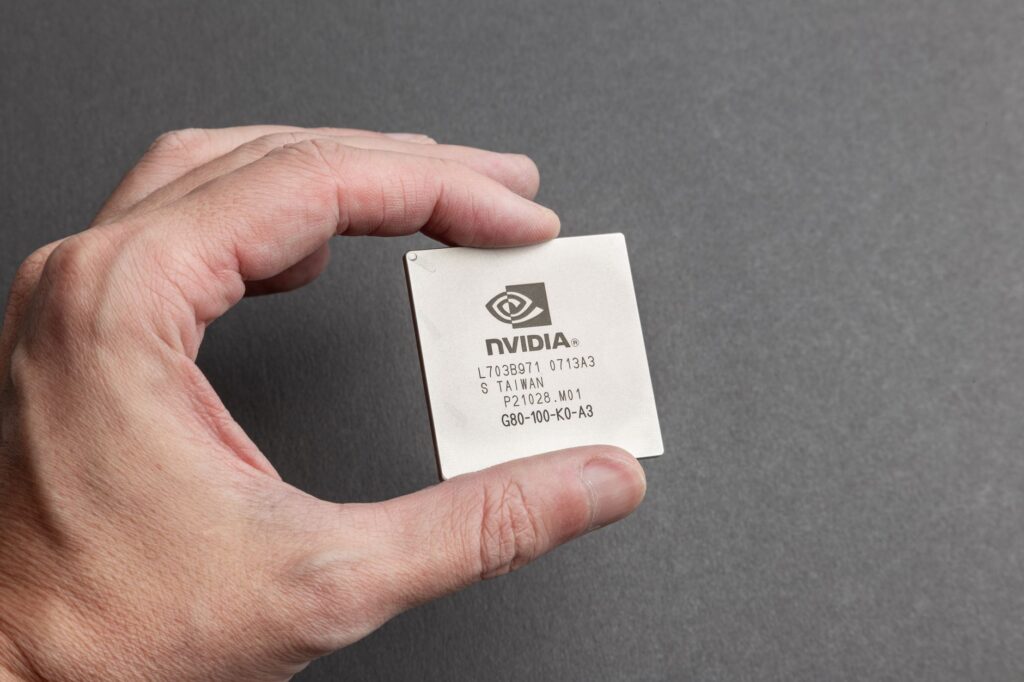
US memory chip manufacturing is at the forefront as SK Hynix and Intel explore a potential partnership to boost production capabilities.
Overview of the proposed partnership
In a significant development within the tech industry, SK Hynix and Intel are reportedly exploring a partnership aimed at enhancing US memory chip manufacturing. This collaboration seeks to bolster the domestic semiconductor supply chain, which has become increasingly crucial in light of global shortages and geopolitical tensions.
The proposed partnership comes at a time when the U.S. government is prioritizing the strengthening of its semiconductor industry. By investing in local manufacturing capabilities, the U.S. aims to reduce reliance on foreign sources and ensure a stable supply of essential components for various sectors, including automotive and electronics.
Key factors driving this initiative include:
- The need for innovation in memory technologies.
- Heightened competition with major players in Asia.
- Government incentives aimed at promoting domestic production.
As discussions progress, both companies are optimistic about the potential benefits of the deal, which could pave the way for significant advancements in US memory chip manufacturing and further solidify their positions in the global market.
Impact on the memory chip market
The recent discussions between SK Hynix and Intel regarding US memory chip manufacturing could significantly impact the global memory chip market. As these two tech giants explore a partnership, they aim to enhance production capabilities within the United States, potentially reshaping the competitive landscape.
The implications of this collaboration could be far-reaching, affecting various stakeholders:
- Increased Production: A successful deal may lead to ramped-up production of memory chips domestically, reducing reliance on overseas supply chains.
- Innovation Boost: Enhanced research and development efforts could bring forth new technologies, benefiting the entire industry.
- Market Stability: Greater local manufacturing might stabilize prices and supply, mitigating the volatility that has plagued the memory chip market in recent years.
Moreover, this initiative aligns with broader government efforts to bolster semiconductor production in the US, addressing national security concerns and fostering economic growth. If executed well, the partnership could set a precedent for future collaborations in the semiconductor sector.
Key players in US manufacturing
The landscape of US memory chip manufacturing is rapidly evolving, with several key players making significant strides in the industry. Among them, SK Hynix and Intel stand out as major contributors to this transformation.
SK Hynix, a leading global supplier of memory chips, has been exploring potential collaborations with Intel to enhance domestic production capabilities. This partnership aims to leverage Intel’s advanced semiconductor technology and manufacturing expertise, ultimately boosting the US’s position in the global memory chip market.
Another notable player is Micron Technology, which has been investing heavily in expanding its manufacturing footprint within the United States. With its commitment to innovation and sustainability, Micron is positioning itself as a key contender in the US memory chip manufacturing sector.
Furthermore, Samsung Electronics has also expressed interest in expanding its operations in the US, emphasizing the importance of the region for future growth in memory chip production.
These companies are not only reshaping the memory chip market but are also contributing to the overall technological advancement and economic stability of the US.
Challenges faced by SK Hynix and Intel
The landscape of US memory chip manufacturing presents unique challenges for major players like SK Hynix and Intel. Both companies face significant hurdles as they explore potential partnerships to enhance their production capabilities in the United States.
One of the primary challenges is the increasing competition from other global leaders in the semiconductor industry. This competition drives the need for constant innovation and investment in new technologies, which can strain financial resources. Additionally, the ongoing global supply chain disruptions, exacerbated by geopolitical tensions, create uncertainties for operational efficiency.
Another critical issue is navigating the regulatory environment in the US. Both SK Hynix and Intel must comply with stringent regulations that could impact their manufacturing processes and timelines. This includes securing necessary permits and addressing environmental concerns related to semiconductor production.
Lastly, workforce shortages in specialized fields can hinder the ability to scale operations quickly. This talent gap underscores the importance of investing in education and training programs to prepare a skilled workforce for the future of memory chip manufacturing in the US.
Future of semiconductor production
The future of semiconductor production in the United States is poised for significant transformation as key players like SK Hynix and Intel explore new partnerships in US memory chip manufacturing. This collaboration aims to bolster domestic capabilities and reduce reliance on overseas production, which has been a growing concern amid global supply chain disruptions.
As demand for advanced memory chips continues to rise, driven by the expansion of artificial intelligence, cloud computing, and consumer electronics, the need for a robust local manufacturing base becomes increasingly crucial. Analysts predict that a strong focus on US memory chip manufacturing could lead to innovations that enhance performance and efficiency in various tech applications.
Furthermore, government incentives and investment in research and development are expected to play a pivotal role in supporting this shift. The push for semiconductor self-sufficiency may also encourage new entrants into the market, fostering competition and driving technological advancements.
In conclusion, the future landscape of semiconductor production in the US hinges on strategic collaborations that prioritize innovation and local manufacturing capabilities.
Conclusion and outlook for the industry
In conclusion, the landscape of US memory chip manufacturing is undergoing a significant transformation driven by strategic partnerships such as the one between SK Hynix and Intel. This collaboration not only aims to bolster domestic production capabilities but also addresses the growing demand for advanced memory solutions in various industries.
Looking ahead, the outlook for the industry remains optimistic despite the challenges faced by key players. The ongoing investments in research and development, coupled with government support, will likely facilitate innovation and enhance competitive advantage. As companies navigate supply chain issues and technological advancements, the focus on sustainability and efficiency will also shape the future of semiconductor production.
Moreover, the increasing reliance on artificial intelligence, cloud computing, and 5G technology will further drive the need for robust memory chip manufacturing in the US. Stakeholders must remain agile and adaptable to capitalize on these emerging trends, ensuring that the US memory chip sector can thrive in an ever-evolving global marketplace.
Photo by Stas Knop on Pexels
